Before the visible day
Ladakh is thin air and hard ground, and the people who live there watched their say over it shrink once the region lost its own legislature. What Sonam Wangchuk and others asked for was not loud. It was exact: put Ladakh's land and ecology under the Constitution, in writing, so that goodwill is not the only thing standing between the mountains and whoever wants them.
The cause
Why people rose
- After Ladakh became a Union Territory with no assembly of its own, people felt they had lost the say they once had over land and jobs.
- The mountains are fragile, and locals wanted real legal tools to protect them.
- Promises of safeguards had not turned into the constitutional status people were asking for.
What came before
Years of talks with Delhi, committees, earlier fasts. The quieter route came first, and mostly went in circles.
In their own terms
What people are asking for
- 01
Statehood for Ladakh.
- 02
Sixth Schedule protection under the Constitution.
- 03
Real safeguards for land, jobs and the region's ecology.
The people
Who carried the demand
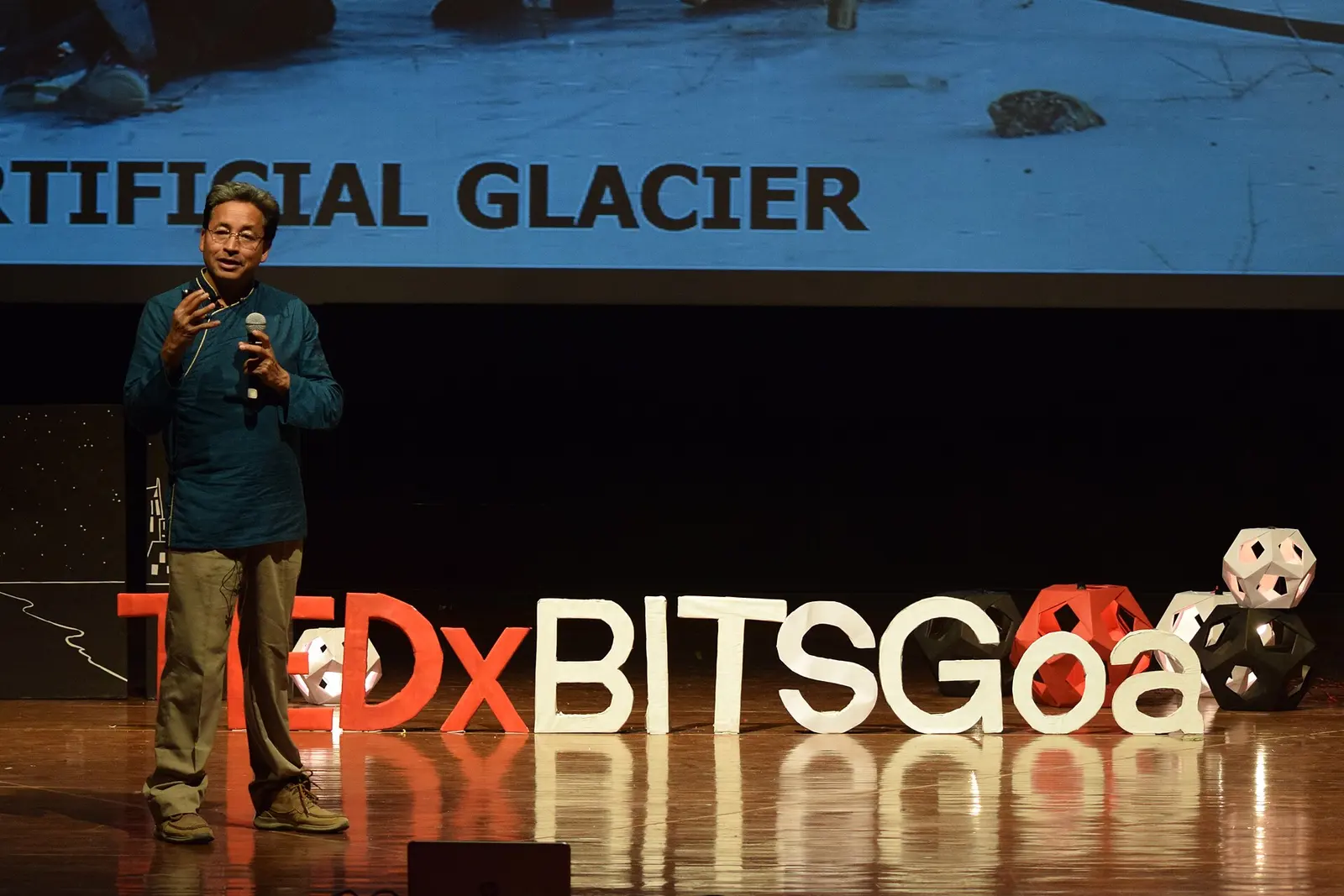
Ladakhi civil-society groups and residents, with one well-known face out front. We keep that public leadership visible and shield the ordinary marchers behind him.
How the movement travelled
How it unfolded
- March 2024
A 21-day fast in the cold
Wangchuk goes without food for 21 days in Leh, ending on 26 March, to press for constitutional safeguards.
- September 2024
The walk to Delhi
He and more than a hundred others set out on foot — close to a thousand kilometres, Ladakh to Delhi.
- On arrival
Stopped, and detained
The march is halted near Delhi. Wangchuk is later held under the National Security Act.
- March 2026
Release
The detention order is revoked, and he is released in March 2026.
The accounts
Who is speaking, and what they said
Each account sits beside the part of the story it speaks to. Who is talking is part of what the words mean.
What the demand protects
For the organisers, the fast and the march were about defending Ladakh's ecology, land and livelihoods through statehood and Sixth Schedule status. (Reported by The Wire and Deccan Herald.)
What was documented
Outlets covered the 21-day fast, the long walk, and the detention that followed under a national-security law. (BBC; Tribune India.)
What power did
The institutional response
- Delhi talked with Ladakhi representatives but did not grant the Sixth Schedule demand.
- The march was stopped near the capital and its leader detained under the National Security Act.
- The detention order was later revoked, with release in March 2026.
What remains unclear
What we still don’t know
- Whether statehood or Sixth Schedule status will ever come.
- The full legal grounds for the detention, and why it ran as long as it did.
- How the ecological safeguards people wanted get secured — if they do.
After attention left
What came after
The march ended; the question did not. We follow the talks, any real change in the law, and the pressure on the mountains that started all of this.
The evidence, attached
Where this came from
Every account above is drawn from public reporting. Each source links out, so you can read it yourself.
About this record
What this prototype is, and is not.
A prototype record spanning 2024 to 2026, built from public reporting. The dates and the detention's legal detail would need checking before publication.
This is a demonstration of how a published Rise record would read. A real record would additionally pass independent corroboration, translation review, and safety and legal review before publication.