
Before the visible day
The pay mattered. But sit with the strikers long enough and it kept coming back to something plainer: they wanted to name their own union and have the company admit it existed. Everything else — the wages, the hours — hung off that.
The cause
Why people rose
- Wages of around ₹25,000 a month didn't match what the plant produced, workers said.
- They wanted their union — the Samsung India Workers Union — recognised.
- And better conditions, alongside a raise spread over a few years.
What came before
The union had only just formed. The company had already objected to its name. The grievances had been building on the floor well before anyone walked out.
In their own terms
What people are asking for
- 01
Recognise the Samsung India Workers Union.
- 02
A staggered raise — reported as about 50% over three years.
- 03
Better conditions, and no punishment for striking.
The people
Who carried the demand
More than 1,300 of roughly 1,800 workers walked out, backed by a national trade union. We keep the collective shape of it and don't expose individual workers to their employer.
How the movement travelled
How it unfolded
- 9 September 2024
The line stops
Workers at the Sriperumbudur plant begin an open-ended strike over pay, conditions and recognition.
- Mid-September 2024
Detentions
Police detain around a hundred workers and leaders during marches. Pressure builds on the state government.
- 16 October 2024
An agreement, and the line restarts
After 37 days, management agrees to take up the demands and not punish the strikers, and the strike is called off.
- After the strike
Recognition still in court
The fight over the union's name and formal recognition is still before the courts.
The accounts
Who is speaking, and what they said
Each account sits beside the part of the story it speaks to. Who is talking is part of what the words mean.
Why they called it a win
The union and its federation called the settlement a hard-won victory after a long fight for recognition and pay. (Reported by Peoples Dispatch and BBC.)
Why the strike mattered
Labour writers read it as a real test of organising rights at a big multinational plant. (Economic and Political Weekly.)
The employer's position
Samsung agreed to take up the demands and hold off on punishment, while contesting the union's name in court. (Attributed position, per reporting.)
What power did
The institutional response
- Police detained around a hundred workers and union leaders during the strike.
- The state came under pressure to step in, and the Centre urged the Chief Minister to mediate.
- The company took up the demands but kept fighting recognition in court.
What remains unclear
What we still don’t know
- Whether the promised raises were actually paid.
- How the case over the union's name ends.
- Whether strikers paid for it quietly, later.
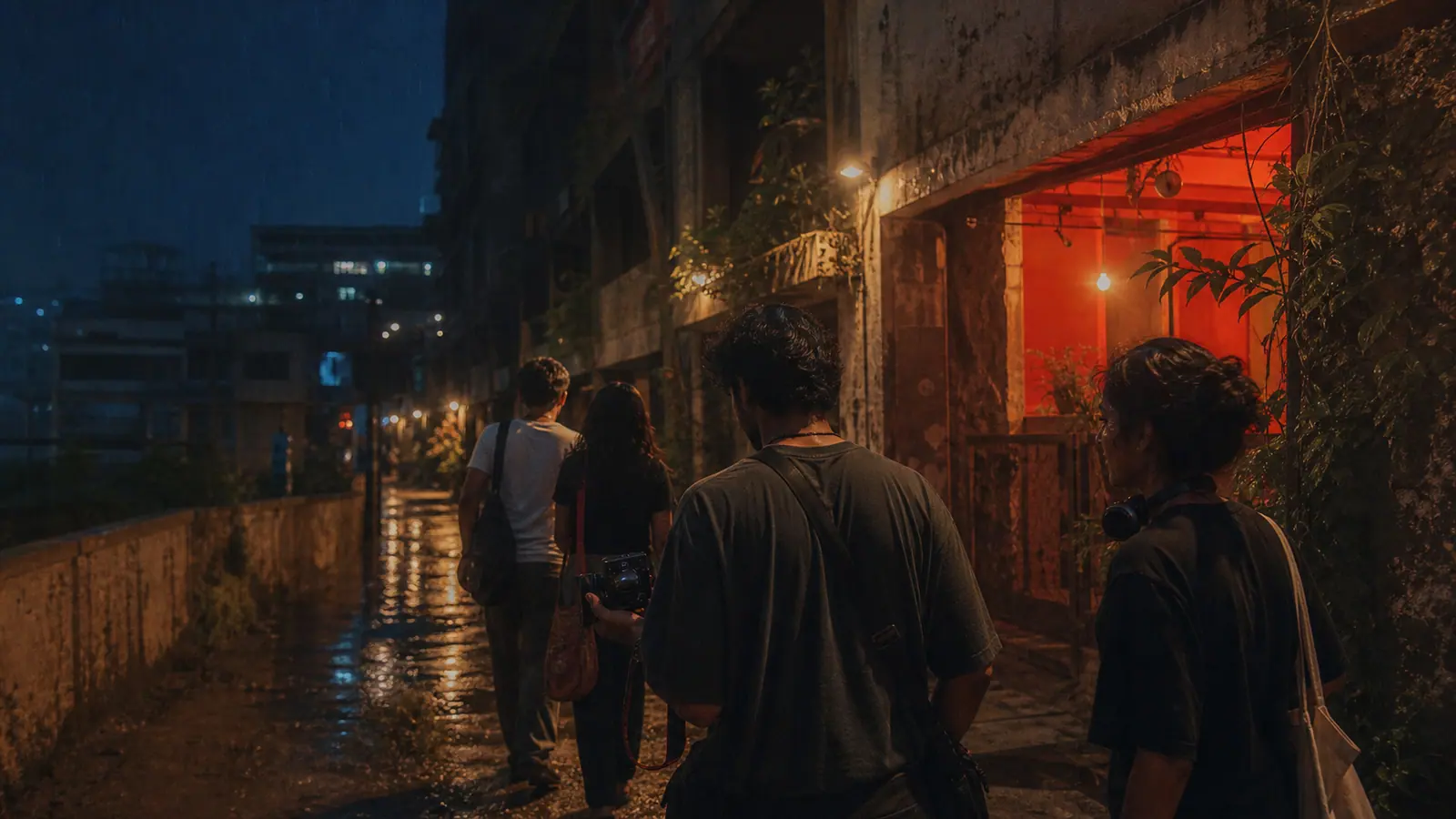
After attention left
What came after
A labour win is measured by what holds. We follow the recognition case and the pay deal past the ‘strike ends’ headline.
The evidence, attached
Where this came from
Every account above is drawn from public reporting. Each source links out, so you can read it yourself.
About this record
What this prototype is, and is not.
A prototype record built from public reporting. The turnout and wage figures come from the linked sources, not from our own count.
This is a demonstration of how a published Rise record would read. A real record would additionally pass independent corroboration, translation review, and safety and legal review before publication.